



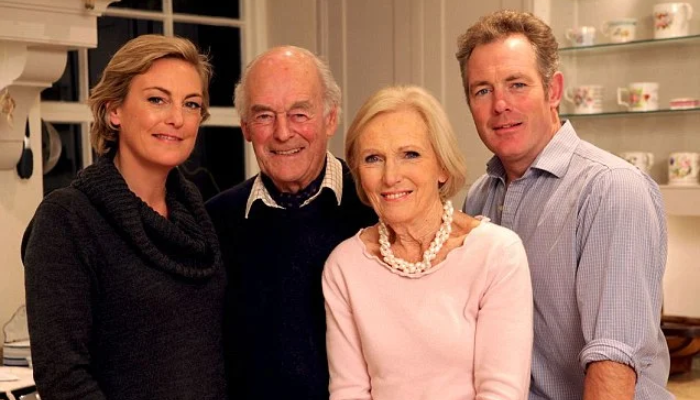
Early Life and Education of William John March
William John March was born in the early 1920s in a modest family in a small town, which played a significant role in shaping his outlook on life. Growing up in a closely-knit community, March was introduced to the values of hard work, resilience, and the importance of helping others from a young age. His parents, who emphasized the significance of education, encouraged him to pursue learning as a means for personal and communal advancement. This nurturing environment provided the foundation for his character development, instilling in him a sense of duty and service that would later influence his actions during World War II.
During his formative years, March demonstrated an extraordinary aptitude for academics. He excelled in subjects such as mathematics and history, showing a keen interest in the events that shaped world affairs. His educational journey continued at the local high school, where he became involved in various extracurricular activities, including debate club and student government. These experiences not only honed his leadership skills but also fostered a deep sense of civic responsibility, qualities that would serve him well in his future endeavors.
Additionally, significant events in William John March’s youth, such as the onset of World War II, made a lasting impression on him. Witnessing the impacts of war on his community and family ignited a desire to contribute to the war effort. This period not only solidified his resolve to serve his country but also shaped his understanding of the complexities of human conflict. In reflecting on his early life and education, it becomes evident that these formative experiences mold William John March into the dedicated individual he was destined to become, paving the way for his future contributions during one of history’s most challenging times.
Military Service and Achievements
William John March enlisted in the military shortly after the United States entered World War II. His dedication to serve was evident from the beginning, as he sought to defend freedom and contribute to the war effort. Assigned to the infantry, March quickly made a name for himself through his unparalleled courage and strategic acumen.
During his military service, March participated in several key battles, most notably the battles of Normandy and the Battle of the Bulge. His involvement in the D-Day landings showcased his leadership abilities as he led his squad through extensive enemy fire to secure crucial beachheads. The success of his unit during this operation was pivotal in establishing a foothold in Europe, allowing Allied forces to advance further into enemy territory.
March’s efforts did not go unnoticed. He received numerous commendations for bravery, including the Silver Star for gallantry in action and the Bronze Star for meritorious service. These accolades serve as a testament to his extraordinary commitment and contributions during one of history’s most challenging times. Furthermore, his commitment to helping fellow soldiers often led him to go above and beyond the call of duty, further solidifying his legacy as a soldier who cared deeply about his comrades.
In addition to his combat experiences, March also played an instrumental role in post-battle assessments and strategy sessions, showcasing his ability to not only fight but also think critically under pressure. This multifaceted approach to military service made William John March an unsung hero whose achievements reflect a broader narrative of valor and determination prevalent among many soldiers of his time.
Post-War Life and Legacy
William John March’s life after World War II was marked by a profound commitment to his community and a fervent dedication to ensuring that the sacrifices made during the war were not forgotten. Upon returning from the conflict, he transitioned into civilian life, where he applied the leadership skills he had honed in the military. His experiences fueled a desire to serve his local community, leading him to take on various roles that benefitted countless individuals.
In the years following the war, March pursued a career in public service, where he emphasized the importance of education and civic responsibility. His positions allowed him to advocate for veterans, ensuring they received the support needed to reintegrate into society. By championing programs focused on mental health and vocational training, William John March left an indelible mark on the lives of many, providing a framework for future initiatives aimed at helping veterans.
Moreover, March’s life was enriched by his involvement in local organizations, where he fostered a spirit of volunteerism and community engagement. His ability to inspire others was evident through the numerous initiatives he led, all aimed at improving social and economic conditions for those around him. The hallmark of his legacy was the emphasis he placed on remembrance; he often participated in memorial services and veteran’s events, underscoring the importance of honoring those who served.
William John March’s enduring influence serves as a reminder of the unsung heroes of war. The values he stood for—courage, dedication, and commitment to community service—echo through the lives of those he touched. By remembering figures like him, society can draw inspiration from his unwavering resolve and commitment, ensuring that the legacy of such individuals is preserved for future generations.
Honoring William John March Today
Today, William John March is commemorated through various means that recognize his significant contributions during World War II. His legacy is vital in shaping a deeper understanding of the sacrifices made by veterans, and numerous organizations strive to keep those stories alive, ensuring they are not forgotten. Across the United States and beyond, memorials dedicated to the heroes of the Second World War often include tributes to individuals like March who played pivotal roles during the conflict.
One prominent method of honoring William John March is the establishment of memorial plaques and monuments in key locations associated with his service. Such memorials serve as educational platforms, inviting visitors to learn about the bravery and dedication displayed by March and his contemporaries. Historical societies are pivotal in this realm, often organizing events like symposiums or educational programs that focus on the life and times of these unsung heroes. By sharing personal stories, these societies foster a sense of appreciation and reverence for those who served.
Community events also play a crucial role in honoring William John March. Activities such as parades and veteran recognition days highlight the importance of maintaining the legacy of these individuals. School programs that incorporate the stories of World War II veterans create an invaluable connection between younger generations and history, inspiring a sense of responsibility to remember and honor those sacrifices. An ongoing commitment to recognizing veterans decades after the war illustrates society’s acknowledgment of their importance.
Ultimately, the honors bestowed upon William John March are a testament to the widespread respect for all veterans. The dedication to preserving their stories not only celebrates their past but also shapes the narrative of courage and resilience, serving as a reminder of the sacrifices required for the freedoms enjoyed today.
