



Understanding Qoghundos: What Are They?
Qoghundos are a traditional staple in the culinary landscape of various cultures, particularly within regions that embrace rich, flavorful dishes. These versatile items serve not only as a food source but also hold cultural significance, often being featured in festivals and local occasions. Typically, Qoghundos are crafted from a blend of ingredients that may vary significantly based on local customs and availability of resources.
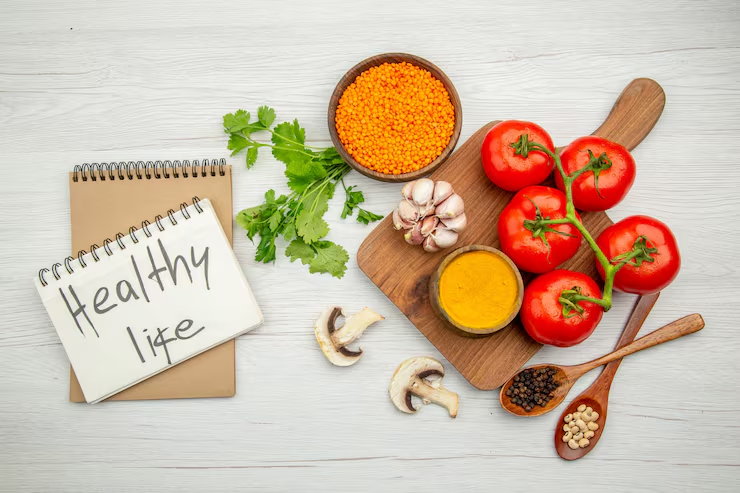
The primary components that form the basis of Qoghundos typically include grains, legumes, and a variety of spices. The selection of ingredients plays a crucial role in determining the nutritional value and flavor profile of the final product. For example, many recipes incorporate whole grains such as barley or wheat, which contribute essential nutrients and fiber, thus addressing health concerns related to diet. Additionally, the inclusion of legumes like lentils or chickpeas provides a rich source of protein, making Qoghundos a substantial meal option.
In terms of culinary significance, the preparation of Qoghundos often involves a unique process which may involve fermentation, steaming, or baking. This diverse cooking method not only preserves the integrity of the ingredients but also enhances their natural flavors. As a result, Qoghundos are not merely a dish, but a representation of the community’s heritage, showcasing regional tastes and practices.
As we delve further into the discussion surrounding these food items, it becomes essential to evaluate whether the ingredients in Qoghundos are indeed good for health. Understanding their composition lays the groundwork for assessing their overall impact on wellness. This inquiry will ultimately help consumers make informed decisions regarding their dietary choices and health practices.
Breakdown of Ingredients in Qoghundos
Qoghundos are a type of traditional snack that are gaining attention for their nutritional profile. To accurately assess whether the ingredients in Qoghundos are good for health, it is essential to understand the components that make up this delicacy. The primary ingredients typically found in Qoghundos include nuts, seeds, fruits, sweeteners, and various spices.
Nuts, such as almonds and walnuts, are an integral part of Qoghundos. They provide healthy fats, protein, and essential vitamins and minerals. Almonds, for example, are high in vitamin E, magnesium, and fiber, promoting heart health and aiding in weight management. Instead of excessive sugar, many Qoghundos formulations use natural sweeteners or fruits, which not only enhance flavor but also bring their own health benefits. Dried fruits, like dates or figs, add natural sweetness and are rich in antioxidants and fiber.
Seeds, ranging from sesame to sunflower, bring additional nutritional value to Qoghundos. They contain a wealth of nutrients, including omega-3 fatty acids, vitamins, and minerals. Additionally, spices such as cinnamon or turmeric, often incorporated into the recipe, may offer their unique health benefits, including anti-inflammatory properties.
However, while the ingredients in Qoghundos are natural and nutrient-dense, it is important to note potential concerns. Some individuals may have allergies to nuts or seeds, which can pose a significant health risk. Furthermore, depending on the quantity of sweeteners used, there may be concerns regarding sugar content, which could affect those monitoring their sugar intake.
Overall, the ingredients in Qoghundos can be viewed as beneficial when consumed in moderation, providing a balanced snacking option for many. The diversity of nutritional components reflects their potential as a healthy snack alternative, assuming no adverse dietary reactions occur.
Nutritional Analysis: Are the Ingredients Nutritious?
The evaluation of any nutritional product begins with an in-depth understanding of its ingredients. In the case of Qoghundos, a detailed nutritional analysis reveals the components used and their respective health benefits. It is essential to examine whether these ingredients can be classified as nutritious and how they contribute to one’s overall dietary needs.
The ingredients in Qoghundos typically encompass a variety of items, often chosen for their health-promoting properties. Many of these components are rich in essential vitamins, minerals, and antioxidants that play a significant role in maintaining optimal health. For instance, if the ingredients include foods high in fiber, they can support digestive health and aid in preventing common diseases. Additionally, ingredients known for their high levels of micronutrients are likely to help mitigate dietary deficiencies, which are prevalent in many populations.
Comparatively assessing the ingredients in Qoghundos against daily recommended intakes indicates their potential role in promoting a balanced diet. Many ingredients may provide considerable amounts of Vitamins A, C, and E, which are crucial for immune function and skin health. Furthermore, if these components include healthy fats and proteins, they could further enhance the overall nutritional profile of the product, making it a valuable addition to various dietary plans.
To address the central question: are the ingredients in Qoghundos good? The evidence suggests that they do possess high nutritional value, which could be beneficial for individuals looking to improve or maintain their health. Therefore, incorporating such nutritious ingredients in Qoghundos could serve to bolster one’s diet while effectively countering common nutrient inadequacies.
Conclusion: The Verdict on Qoghundos’ Ingredients
In evaluating the health implications of Qoghundos and its ingredients, it is essential to recognize the importance of their composition in contributing to overall well-being. Throughout this discussion, we have scrutinized various components that make up this traditional dish, including their nutritional profiles and potential health benefits. Factors such as the source of the ingredients, their preparation methods, and their biochemical characteristics play a crucial role in determining whether the ingredients in Qoghundos are good for health.
Analyzing the individual ingredients reveals that many provide significant health benefits. For example, key components may include wholesome grains, lean proteins, fresh vegetables, and aromatic spices. Each of these elements can impart valuable nutrients, ranging from essential vitamins to beneficial antioxidants, which are known to contribute positively to a balanced diet. Moreover, the integration of these ingredients in traditional cooking often emphasizes natural flavors, potentially reducing the need for artificial additives or excessive salt.
However, while many of the ingredients in Qoghundos can be deemed healthful, it is vital for consumers to remain aware of portion sizes and specific dietary needs. As with any cuisine, customization and moderation are paramount. Therefore, it is advisable to incorporate Qoghundos thoughtfully within a broader dietary framework that meets one’s personal health objectives.
In conclusion, understanding whether the ingredients in Qoghundos are advantageous for health requires a nuanced approach. The variety and quality of its components indicate that this dish can indeed be part of a nutritious diet when consumed mindfully. Encouragingly, by being informed about the nutritional aspects of Qoghundos, individuals can make better food choices that align with their lifestyle choices and health goals.
