



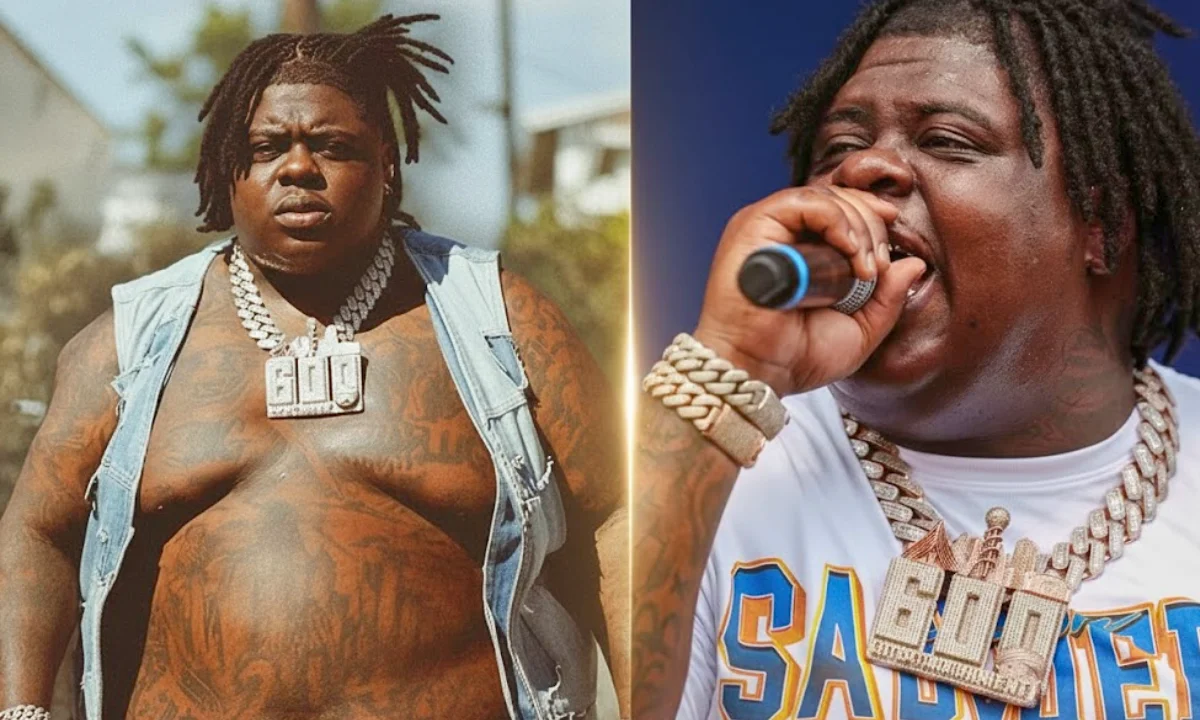
The term “bigxthaplug age” refers to a transformative period within the music industry that has emerged alongside the rise of digital streaming platforms and social media. This phrase encapsulates the burgeoning significance of independent artists who are leveraging online tools to reach audiences in unprecedented ways, often bypassing traditional gatekeepers. The origins of bigxthaplug age can be traced back to the increasing democratization of music production and distribution, allowing artists from diverse backgrounds to share their work without the constraints historically imposed by record labels.
Bigxthaplug age signifies not only a shift in the distribution landscape but also highlights the importance of community and collaboration among artists. Within this framework, artists engage with fans and other creatives, increasing their visibility and allowing their music to thrive in a highly competitive environment. Services such as TikTok and Instagram have played pivotal roles in this movement, as they serve as platforms for artists to showcase their talent and gain traction. Consequently, this age has empowered emerging musicians to cultivate a supportive fanbase, enabling them to achieve commercial success on their terms.
The cultural implications of the bigxthaplug age extend beyond mere commercial gains. It fosters a spirit of creativity and experimentation, encouraging artists to blend genres and defy conventions. This has led to a rich tapestry of musical expression where individuality is celebrated, and diverse narratives are brought to the forefront. As such, the bigxthaplug age is not merely a trend; it is a defining aspect of contemporary music that reshapes how artists create and connect with their audiences.
The Influencers of Bigxthaplug Age
The emergence of the bigxthaplug age has been significantly influenced by various key figures and artists who are redefining the music landscape. These influencers embody the essence of this era, characterized by genre-blending, collaborative artistry, and a focus on innovative approaches to music production and performance.
First and foremost, we have notable figures such as Lil Uzi Vert and Playboi Carti, who have played a vital role in popularizing the sound associated with the bigxthaplug age. Their unique styles combine elements of hip-hop, punk, and electronic music, creating sonic experiences that resonate with a diverse audience. These artists not only focus on their individual artistic expressions but frequently collaborate with one another and with artists from various genres, pushing boundaries and driving the evolution of contemporary music.
Additionally, the rise of platforms such as TikTok has facilitated the discovery of emerging artists who encapsulate the spirit of the bigxthaplug age. For instance, new talents like Ice Spice and Yeat have gained popularity through viral trends and social media engagement. Their music often reflects a fusion of different styles, tapping into the eclectic tastes of modern listeners.
This collaborative nature extends to larger projects and soundscapes that bring together artists from vastly different backgrounds. The bigxthaplug age is notable for its inclusivity, allowing for the cross-pollination of ideas and genres. The versatility showcased by artists during this period not only enhances their individual brands but also enriches the overall musical experience for their audiences.
In summary, the influencers of the bigxthaplug age are not only shaping their own careers but are also significantly impacting the broader music industry landscape. Through their innovative collaborations and unique styles, they are setting the stage for future generations of artists.
The Social Media Connection
In the current landscape of the music industry, social media platforms have emerged as vital tools for artists, particularly within the context of the bigxthaplug age. Artists are increasingly leveraging these platforms for promotional purposes, enabling them to reach wider audiences in ways that were previously unattainable. Social media serves not only as a medium for sharing music but also as a crucial engagement point where artists can interact directly with their fans.
The relational aspect of social media has transformed how musicians build their fan bases. Platforms such as Instagram, Twitter, and TikTok allow artists to showcase their personalities, update fans on their projects, and even share behind-the-scenes content. This level of transparency cultivates a sense of community among followers, enhancing their emotional investment in the artist’s journey. Within the dynamics of the bigxthaplug age, this direct engagement fosters loyalty and support, translating to increased streams and sales.
Moreover, social media not only benefits established artists but is equally pivotal for emerging talents. Independent musicians can utilize these platforms to promote their music without major label backing, making it easier for them to break into the industry. Viral trends, challenges, and user-generated content can propel lesser-known artists into the limelight, showcasing the democratizing effect of social media on the contemporary music scene.
Industry dynamics have also shifted due to the rise of social media. Record labels and executives now consider an artist’s social media presence as a vital metric when scouting talent. Fan engagement stats, follower counts, and interaction rates can often weigh heavily in contract negotiations. As such, the bigxthaplug age emphasizes not just musical talent but the ability to market oneself effectively on social media as well.
Future Trends and Predictions for Bigxthaplug Age
The music industry is in a perpetual state of evolution, and the bigxthaplug age is indicative of some crucial shifts that will likely define its future. As technology continues to advance, we expect an increased emphasis on digital platforms as the primary means of music consumption. Streaming services provide an avenue for new artists to reach audiences worldwide, breaking down geographical and economic barriers that once limited access to music.
Additionally, advancements in artificial intelligence (AI) and machine learning could revolutionize music production and distribution. Tools that analyze listener preferences can aid artists in creating more personalized experiences for their audience. This trend will not only enhance the creative process for musicians but will also allow them to adapt their sound in real time based on consumer feedback, creating a dynamic interaction between artists and their fans.
Furthermore, the bigxthaplug age will usher in a new era of collaboration across genres and generations. Emerging technologies will enable artists to fuse styles as never before, leading to innovative sounds that draw from various musical traditions. Such collaborations can also take place across platforms, as artists seek to connect with their audiences in more meaningful ways. The merging of different artistic disciplines, such as visual art and music, is likely to see significant growth, setting the stage for a multimedia music experience.
Lastly, as social consciousness becomes increasingly prominent, we can anticipate that themes relating to identity, community, and social justice will play a pivotal role in music creation and branding within the bigxthaplug age. Artists will continue to engage with their listeners on critical societal issues, using their platforms to spark dialogue and inspire change.
In conclusion, the future trajectory of the bigxthaplug age shows promising developments that will indelibly impact the landscape of the music industry. As technology evolves, so too will the ways in which music is created, consumed, and experienced, making it an exciting time for both artists and audiences alike.
