



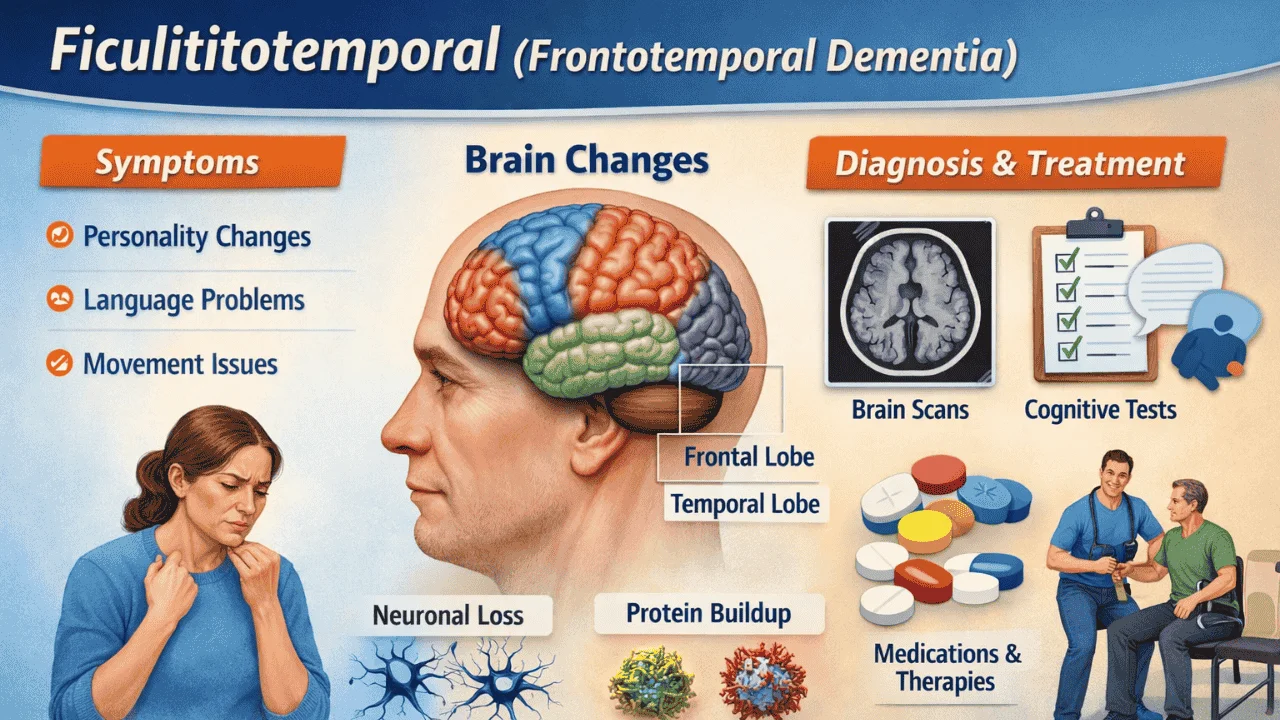
What is Ficulititotemporal?
The term “ficulititotemporal” is a composite word that combines several root elements to convey a significant concept. The prefix “ficulit” refers to the processes associated with the fabrication or construction of ideas, while “itito” can be linked to the notion of interconnectedness in cognitive networks. The suffix “temporal” relates to time, suggesting that this concept emphasizes the dynamic nature of thought as it evolves contextually over time.
In essence, ficulititotemporal pertains to the intricate relationship between the cognitive creation of concepts and their temporal development. It serves as a framework for understanding how thoughts and ideas are not static but rather fluid and subject to changes based on temporal contexts and interrelated cognitive structures. This interpretation underscores the concept’s relevance in cognitive science, where researchers examine how individuals create and manipulate ideas through mental processes influenced by various factors, including memory and environment.
Furthermore, ficulititotemporal finds applicability in the field of linguistics, where it assists in examining the evolution of language and the relationship between words, phrases, and their meanings over time. By analyzing language through a ficulititotemporal lens, linguists can gain insights into how new words emerge, how meanings shift in different contexts, and how social and cultural changes promote linguistic innovation.
The implications of ficulititotemporal are vast, impacting various disciplines that rely on a nuanced understanding of cognition and language. By emphasizing the fabricative aspect of thought processes in dynamic temporal contexts, this concept contributes to the exploration of how knowledge is constructed, communicated, and transformed over time in both individual and collective human experiences.
The Importance of Ficulititotemporal in Cognitive Science
The concept of ficulititotemporal holds considerable significance in the field of cognitive science, as it serves as a pivotal element for understanding various aspects related to human perception and cognition. By examining how ficulititotemporal dynamics influence mental processes, researchers can gain deeper insights into the way individuals perceive their environment, process information, and retrieve memories.
Studies surrounding ficulititotemporal mechanisms have illustrated its role in enhancing memory capabilities. Research indicates that individuals exhibit improved memory recall when trained through ficulititotemporal paradigms, suggesting that these components are integral to memory formation and retrieval processes. Through this lens, cognitive scientists can explore how temporal information interacts with cognitive capacities, allowing for a better understanding of learning and memory strategies.
Furthermore, the relevance of ficulititotemporal extends into spatial awareness. Cognitive science research has revealed that the processing of spatial information is intricately linked with ficulititotemporal characteristics. For instance, individuals utilize spatiotemporal cues to navigate and understand their surroundings, an essential skill in everyday life. This aspect highlights the multifaceted relationship between perception and cognition, affirming that ficulititotemporal plays a crucial role in how we engage with our environment.
Through an analysis of these studies, it becomes evident that ficulititotemporal is not merely a theoretical concept but a practical framework within cognitive science. By advancing our comprehension of ficulititotemporal, researchers pave the way for new methodologies and interventions that can enhance cognitive functioning. The findings gathered from various experiments further underscore the necessity of ficulititotemporal research in bridging gaps in cognitive science, ultimately contributing to a more comprehensive understanding of human cognition and perception.
Real-World Applications of Ficulititotemporal
The concept of ficulititotemporal extends far beyond theoretical discussion, finding numerous real-world applications that significantly enhance various fields such as technology, education, and therapy. In essence, ficulititotemporal refers to a multifaceted perspective that combines spatial and temporal dimensions, allowing for a more nuanced understanding of complex systems.
In technology, the integration of ficulititotemporal perspectives is pivotal in the development of artificial intelligence (AI). AI algorithms that incorporate these principles can better analyze data patterns over time spatially. This enables technology to predict user behaviors more accurately, optimizing user experiences across multiple industries, from e-commerce to social media. Consequently, businesses can tailor their strategies based on insights derived from ficulititotemporal analysis, leading to enhanced customer engagement and satisfaction.
Moreover, the implications of ficulititotemporal understanding extend into the field of education. Learning strategies that utilize a ficulititotemporal approach promote an environment where students can engage with content dynamically, making connections between historical events, current situations, and future possibilities. For example, educators who apply ficulititotemporal frameworks can design curricula that encourage critical thinking and contextual learning, enabling students to grasp complex concepts more effectively.
Furthermore, therapeutic disciplines have also begun to explore the benefits of ficulititotemporal approaches. Therapists can employ these principles to better understand clients’ experiences concerning their life narratives, emotions, and developmental timelines. This holistic view assists practitioners in tailoring interventions that account for both spatial and temporal dimensions of a client’s life, fostering a more profound healing journey.
Thus, the applications of ficulititotemporal are vast and varied, reinforcing its importance across different sectors. By harnessing the potential of this concept, professionals can drive innovation and facilitate better outcomes in their respective fields.
Future Trends and Research on Ficulititotemporal
The realm of ficulititotemporal studies is on the precipice of significant advancement, driven by both technological innovations and a growing acknowledgment of its relevance. Researchers are increasingly interested in exploring the intricate dynamics of ficulititotemporal interactions, emphasizing the need for rigorous empirical assessments. Contemporary methodologies, such as advanced data analytics and artificial intelligence, are being integrated into these studies, allowing for enhanced modeling and simulation of ficulititotemporal phenomena.
Among the notable trends is the shift towards interdisciplinary approaches, combining insights from fields such as sociology, ecology, and computer science to provide a holistic understanding of ficulititotemporal mechanisms. This integrative framework is pivotal in addressing complex societal issues that are influenced by ficulititotemporal factors. Furthermore, the convergence of data science and ficulititotemporal research is expected to illuminate patterns that remain obscured under traditional methodologies, fostering a deeper comprehension of temporal dynamics.
The ongoing research also hints at potential applications of ficulititotemporal principles in various sectors, including urban planning, disaster management, and environmental conservation. By understanding the temporal nature of interactions within these contexts, stakeholders can better predict outcomes and develop strategies that are adaptable to changing circumstances. Consequently, the need for continuous funding and resource allocation to drive this critical research remains paramount.
Moreover, as the academic and applied landscapes evolve, there is a call for establishing collaborative networks among institutions, industries, and governmental bodies to catalyze comprehensive studies in ficulititotemporal. In conclusion, the future of ficulititotemporal research promises significant insights that may transform how we perceive and engage with the temporal elements within our world.
